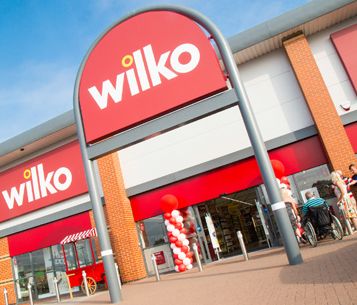
The British Independent Retailers Association (BIRA) hopes to see the 280 empty shops left behind after the closure of Wilko’s are soon to be reopened and revitalised.
Wilko entered administration at the beginning of August, resulting in over 400 store closures and the loss of 12,500 jobs. Since the administration, several major retailers have acquired former Wilko sites, signalling a positive development for high streets across the UK. Poundland, in particular, has purchased 71 of these locations.
They already opened 10 stores by the end of September and plan to open an additional 10 more at the start of October. B&M has also entered the scene by purchasing 51 Wilko stores, and it anticipated that news will be released in November regarding which locations will be reopened and when. The Range, in a £5 million deal, has also shown its commitment to bringing life back to empty Wilko premises. However, it still leaves 280 empty and boarded-up shops across the country.
Andrew Goodacre, CEO of BIRA, said: “We recognise the importance of reoccupying these vacant retail spaces as swiftly as possible to revitalise high streets and local communities. As independent retailers across the UK face ongoing challenges, the reopening of these empty stores will undoubtedly have a positive impact.
“Boarded-up shops are a blight on the high street landscape, especially prominent sites such as these. Vacancy rates on the high street are already high at 13.8% so we need landlords and local authorities to be creative and bold to bring these shops back into use. This year we have already highlighted successful regeneration projects where either rents or rates (or both) have been reduced to bring empty units into use, with longer-term benefits.
“ONS figures still show that 70% of shoppers still want to shop on the high street, and entrepreneurs still want to trade in physical stores but we need to remove some of the barriers. We should also look at opportunities for leisure, culture and hospitality options – repurposing does not have to focus on retail,” he added.